
Getting around in a big city by riding a subway is inexpensive and convenient. However, there are some safety risks involved. And to be aware and ready is a great distance to go to stop these unfortunate things. Recent statistics show that major crimes, including robbery and assault, have increased on New York City subways in recent years. For example, in 2021 there were Over 200 more robberies reported than in 2020. That’s why commuters need to put safety first, especially if they are riding subways.
This article will teach you helpful tips and best practices for how to secure and vigilant subway travel. Pre routing your route, keeping your route engaged on the platform, keeping your shoes on and knowing what to do in a crisis can massively reduce safety risk.
Pre-Travel Preparations
A great way to ensure ease and safety in your subway travel is to properly prepare before even getting on your subway. Rushing is dangerous, and it’s also a chance for critical errors or oversight that can make things dangerous. Implementing a few precautionary steps goes a long way:
Plan Your Route
Official transit apps or sites are for schedules, route planning and checking potential service changes. When you travel a familiar or a new route, you need to double check train numbers, directions, transfer, and stop names to make sure you won’t make a mistake. If you had taken the pain to plan your route before hand you would be able to reach your destination without any trouble.
Keep Essentials Handy
Get together things you might need during your travel, like a charged metro pass or refillable ticket, mobile device, headphones or book for entertainment, before you go to the station. Place items in easily accessible pockets or areas of bags and purses so you don’t have to dig around on train cars. It prevents you from losing what you need and keeps you safe by not having to worry.
Safety on the Platform
During rush hours riders hurry to catch scheduled trains at subway platforms that are often crowded and chaotic. However, remaining cautious and attentive while waiting on platforms is vital for avoiding safety hazards:
Maintain a Safe Distance
Wait for your train to come until you stand back an appropriate distance from the platform edge adhering to platforms safety guidelines. Stand near pillars, walls, or marked waiting areas, or closer to the door. This safe perimeter aids keeping people off of the tracks by accident or on purpose. When the conditions are crowded, more care is needed and children and bags should be kept away from track areas.
Be Alert
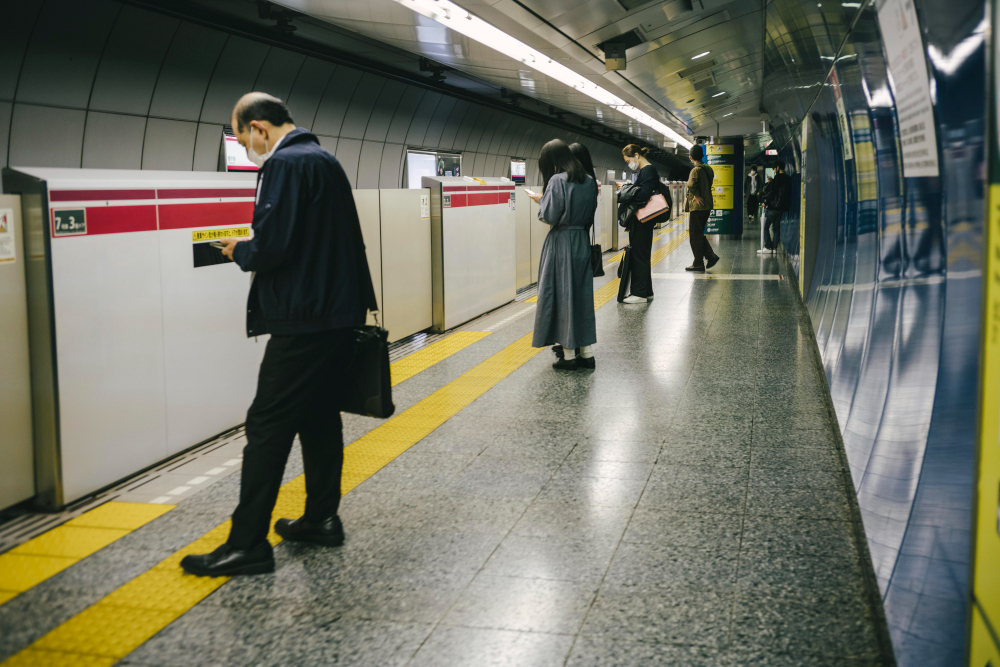
When you are waiting for your train do not stare at your phone or be distracted by headphones. Be alert to others, on the train and on the platform, coming and going. Watch oncoming trains enter stations in case somebody falls or jumps on to the tracks. It is easier to report incidents or to respond quickly when behaviours or incidents can be spotted early.
Choose Well-Lit Areas
During non-peak times with fewer riders, wait in visible areas with ample lighting and foot traffic instead of down empty ends of platforms. Use benches or waiting areas marked with blue lighting, which indicates areas monitored by surveillance cameras. Avoiding isolated, dimly-lit platform spots reduces vulnerability, especially when riding late at night or during weekends.
Riding the Train
Once you are on subway cars, it should pay attention to your personal security. Implementing key practices enhances safety throughout your rail journey:
Select the Right Car
During off peak hours, when there are fewer operating trains, ride in the middle train cars (which are usually closest to the conductors). There are often small black and white “C” stickers on the conductor’s car. At non peak times, try not to ride the front or back of trains. Riding mid train puts you closest to crew members, in case of emergencies.
Secure Your Belongings
Pick your stand or sit spot wisely, bags and purses in front of you, not to your side or back and therefore easy pickings for pickpockets. Use zippered compartments or internal pockets for your wallets, phones or other valuables. Small bags clipped around your waist also help to dissuade sneak thefts. Don’t place electronic devices on the seats next to you. Keeping possessions tight and in sight keeps peace of mind.
Stay Awake and Alert
Do not sleep or, for that matter, keep your eyes closed for a long time. So, just be aware that other riders are coming in and out of cars at stations along the route. Be alert for people trying to reach into bags or purses and start looking around you – in your immediate vicinity. So issues can be resolved quickly, it’s important to report concerns to train crews quickly.
Handling Emergencies
While procedures are in place, subway travel can be full of unexpected incidents. In urgent scenarios, follow key emergency protocols:
Know Emergency Procedures
Make note of safety information signs distributed on train cars reflecting where emergency brake handles are and exits between compartments. Take a look at posted diagrams near doors to show you safe platform exit paths and familiarise yourself with emergency evacuation protocols. Knowing what an appropriate emergency response is beforehand gives you crucial, quick action in the event of danger.
Reporting Incidents
If you are on a train or in a station and you see an assault, theft, suspicious package or illness, use the passenger intercoms near Help Point signs to immediately contact transit system personnel immediately. Report details clearly and accurately. Conductors are also alerted to an emergency inside by loud knocking on doors or windows on train cars. Seeking quick assistance mitigates harm.
Personal Security Tips
Implementing certain personal safety measures can effectively minimize security risks:
Avoid Displaying Valuables
Don’t flash expensive smart phones, watches or headphones on trains as it can be a thief magnet. Devices that are stored in less conspicuous areas such as pockets should be used for high end devices. One of the main passive deterrents to theft is to place valuable items out of sight.
Trust Your Instincts
If you’re on a train car with a rider or situation that troubles or threatens you, move quickly to another train car and seek help from transit crew or stand in a more crowded area. Second guessing gut feelings is a bad idea – if your intuition sends up alarms, be cautious and act. Acting on instincts is what limits harm, and quick responses.
Stay Connected
Before you go, let a friend, family member or colleague know your planned subway routes and estimated time of arrival at a final destination. Regular contact keeps the ability to raise the alarm early should unexpected delays occur. Arranging a friend to walk or drive to meet you near a station also improves late night safety. Our ability to respond if there’s an emergency is enhanced by interconnection, which keeps us all connected.
Conclusion
Information in this thesis shows how public transportation in the form of subways is a form of affordable and eco friendly means of mobility in congested metro areas. Choosing rails over personal vehicles is important, but don’t underestimate the importance of remaining vigilant around safety.
Regardless if you ride daily to commute or sporadically for leisure, following these best practices not only help you avoid becoming a victim, but it also helps you provide important emergency response information. Keeping regular awareness and being prepared keeps subway travel secure.